
Why Monolith Mattered
FEAR of the games industry
In the past few years, we’ve seen an unbearable number of layoffs and studio shutdowns across the games industry.
It’s estimated that 14,000 game developers lost their jobs in 2024 - and this year isn’t looking any better.
In February alone - just February - we’ve seen cuts and redundancies at Sumo Digital, Iron Galaxy, nDreams, Hi-Rez, Unity, Crytek, NetEase, Night School, Bossa Games, Striking Distance, and more.
Each one of these layoffs is someone’s life being upended. And it's another talented individual who may be forced to leave the games industry altogether if they’re unable to find another posting. It just all sucks.
But this newest one - announced yesterday - man, this one really stings.
Warner Bros. just announced that it’s closing three of its studios: Player First Games, which made MultiVersus; WB Games San Diego, which was working on an unannounced project; and, here's the big one: Monolith Productions.
Monolith is a studio I have long respected. It's been in business since 1994, and while it may not be as famous or storied as developers like id, or Valve, or Infinity Ward, its "gameography" is, man, it's just banger after banger.
Its back catalogue is filled with games that are wildly inventive, ever-so-stylish, and almost always pushing the industry forward with some new technology or design innovation.
So, I wanted to take a moment to acknowledge this studio’s passing. As it moves from an “is” to a “was” on Wikipedia. And I want to do that by reminiscing on my five favourite games made by Monolith.
Is that okay? Can we do that? No deep design analysis. I just want to take a moment to pour one out for a criminally underrated developer that deserved far better than this?
Okay.
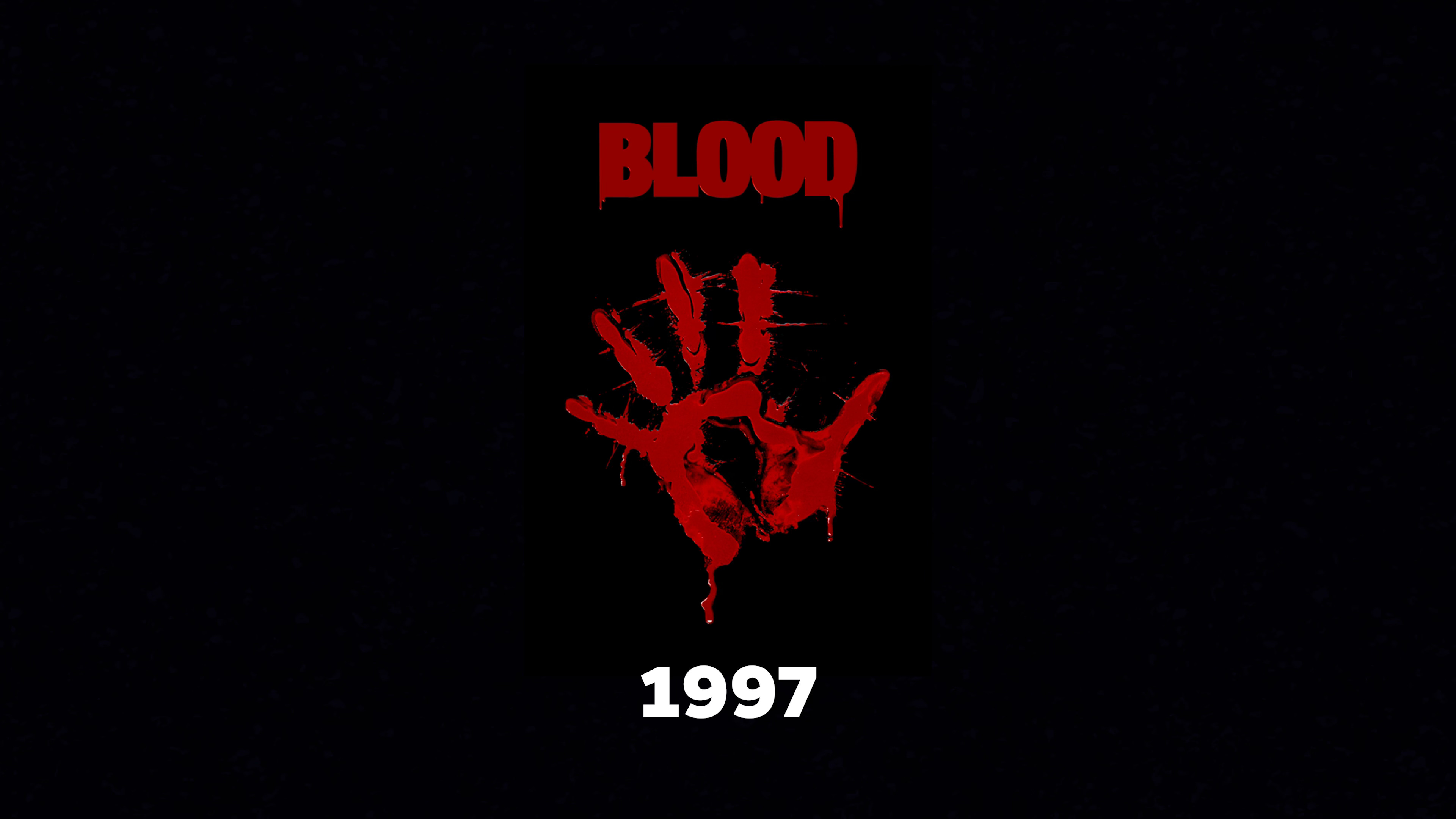
So, back in the late ’90s, I was obsessed with the Build engine, which was the 3D game-making tool that powered Duke Nukem 3D. And that meant I wanted to play any and all games that used Build.
And that’s how I stumbled upon Monolith’s first major game: Blood.
This is a fast-paced boomer shooter with inventive weapons like a spray can and lighter, a voodoo doll, sticks of dynamite, and a poky little pitchfork as your melee weapon.
Now this is a weird and often anachronistic game. It’s part Wild West, part occult fantasy, and there’s a little sci-fi thrown in there. You play as an undead gunslinger fighting zombies and demons, all rendered with a crazy claymation aesthetic that comes from the sprites being low-res photos of sculptures.
It’s 100% a game of its time. It's very ’90s. Which means it’s packed with secrets and movie reference. And that almost means it’s ridiculously hard and the levels are complete mazes. But it's also a lot of fun. I played a lot of janky first-person shooters in this era but Blood is one I fondly remember.
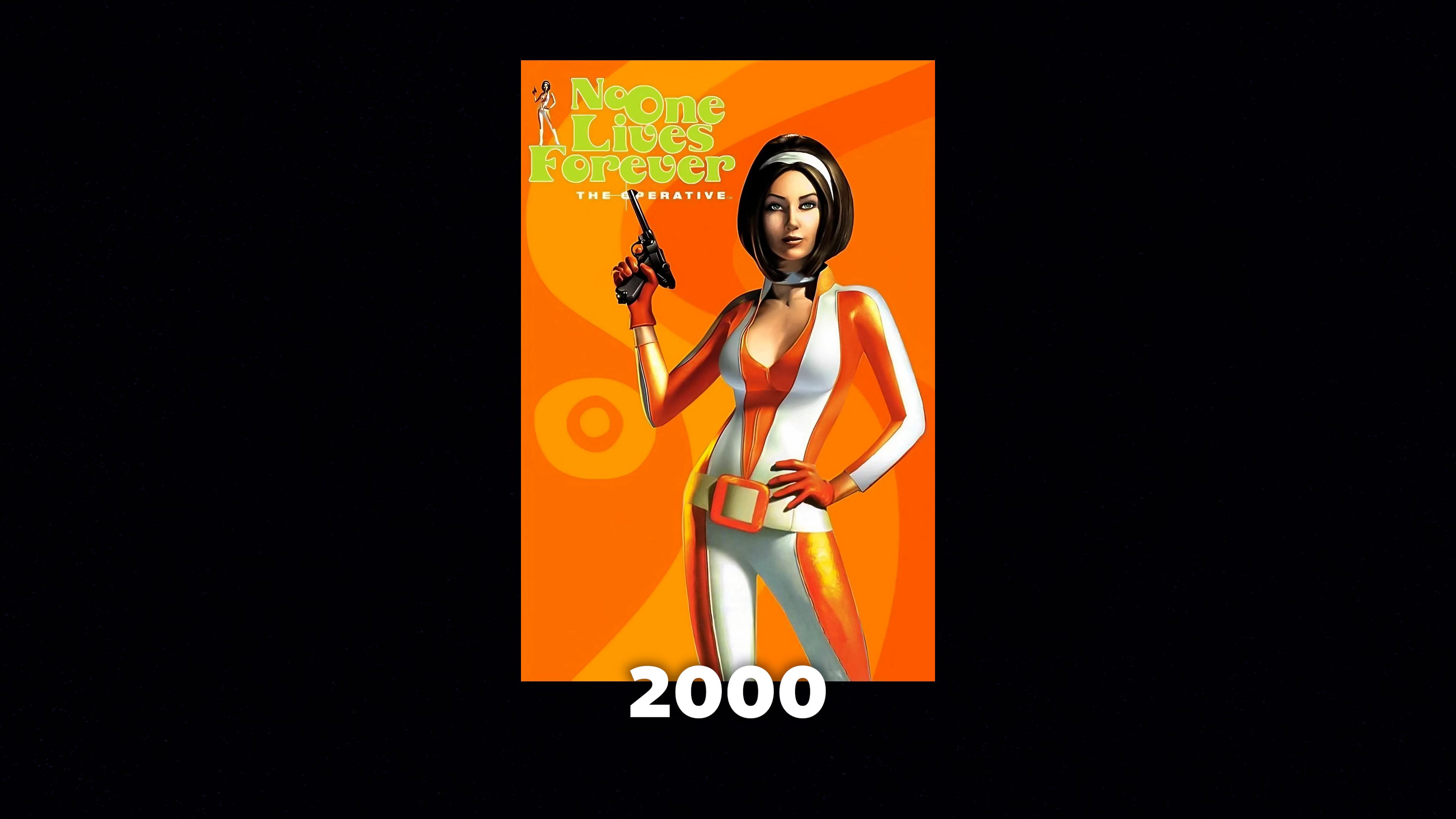
Then in 2000, we got The Operative: No One Lives Forever.
This was a sassy, ’60s spy adventure, and obvious James Bond spoof, featuring one of gaming’s coolest female characters: Cate Archer. She's a badass secret agent whose makeup bag and wardrobe is secretly a stash of lockpicks, lasers, and grenades.
Now while Blood was a simple “shoot everything that moves” kind of game, NOLF - and its excellent sequel - was a lot more cerebral. Levels were open-ended and could be solved in multiple ways. So you could use gadgets and stealth to avoid danger altogether, or just go in guns blazing. Up to you.
And the stealth was solid, taking cues from top games like Thief. So enemies could notice dead bodies, or even your footprints in the snow.
And on top of that, the game had bombastic scenarios with vehicles and chase sequences. It had a brilliant sense of style. And - best of all - tonnes of humour. My favourite touch? If you sneak up on enemies and don’t kill them you can listen in on their conversations - which were usually packed with jokes and references.
This game, and its sequel, were among the best of their respective years. They won loads of awards and were often compared positively to peers like Half-Life. But unlike Half-Life, the NOLF games are often entirely forgotten in conversations about genre-defining shooters.
Though, that's probably due to a lack of preservation. You can’t easily revisit this one on Steam or GOG or whatever. And that's because the game’s IP rights are tied up between multiple companies and no one really knows who owns it. So don't expect a remaster anytime soon.
If you can't be bothered to get it working on Windows 11... well, take it from me: this one was brilliant.
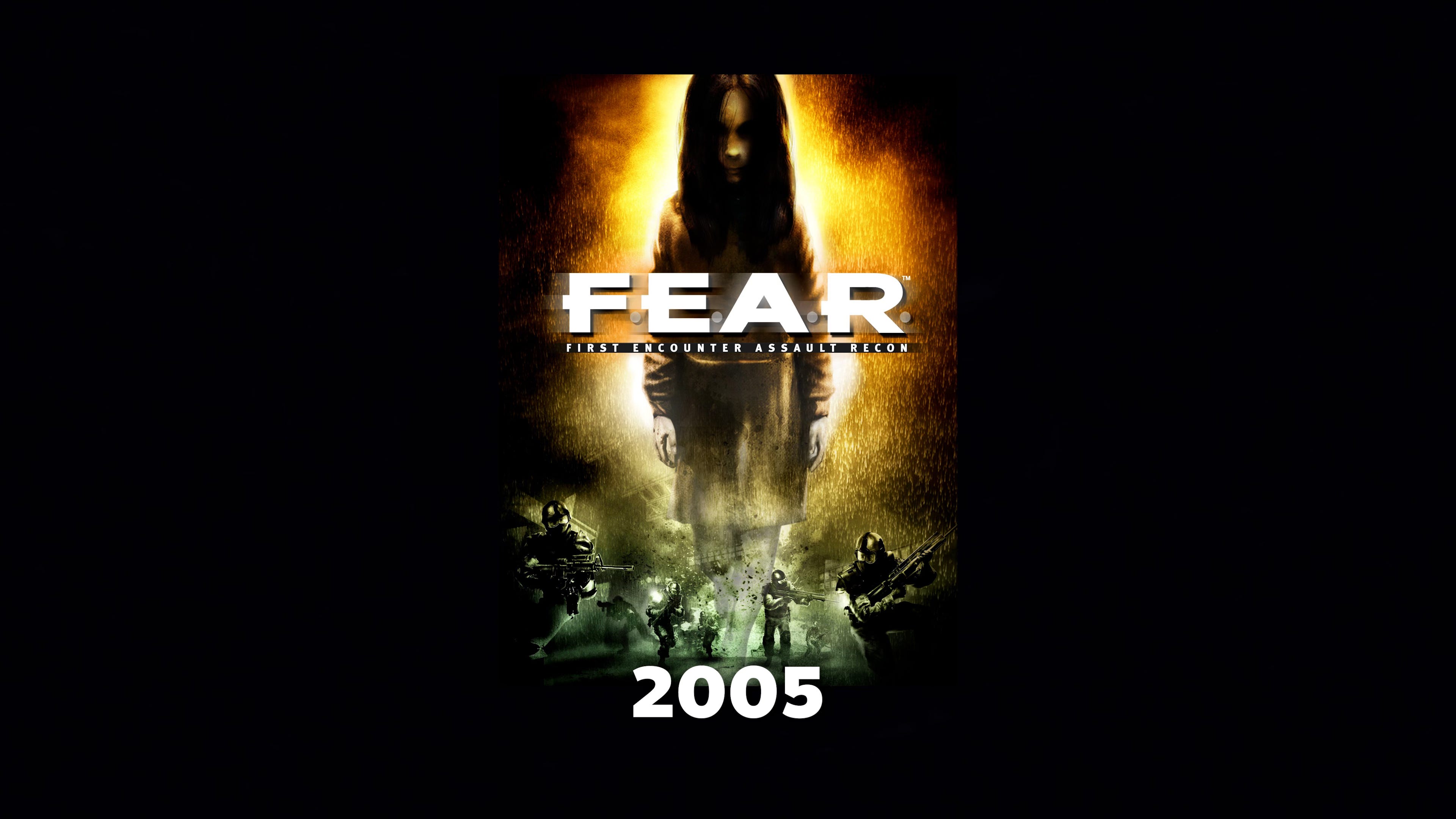
In 2005, Monolith returned to first-person shooters with F.E.A.R.. A crunchy, grisly, action thriller that mixes military firefights with - well - Japanese horror movies.
Which means that the breathless shootouts are interspersed with spooky corridors, jump scares, and a creepy little girl called Alma.
But perhaps the game’s most notable legacy was its envelope-pushing use of AI. No. No. Not that AI. I mean enemy behaviour AI.
So, building on work from the NOLF games, F.E.A.R. featured a type of enemy behaviour that’s legendary among AI developers: it's called Goal-Oriented Action Planning.
So, in more traditional AI systems, enemies swap between distinct states - you know, like idle, alert, in combat, moving to cover. That can make them pretty stiff and predictable.
But with GOAP, an enemy has a goal - like kill the player or investigate a sound - and then formulates a plan based on a series of actions that should fulfil that goal. And then it constantly adjusts its plan based on the world state.
This made enemy encounters feel more organic and erratic - more like fighting real players than simplistic whack-a-mole baddies. And the same tech was used in STALKER, as part of its much-loved A-Life NPC system. So, you know what, perhaps it’s time for game makers to give this tech another look.
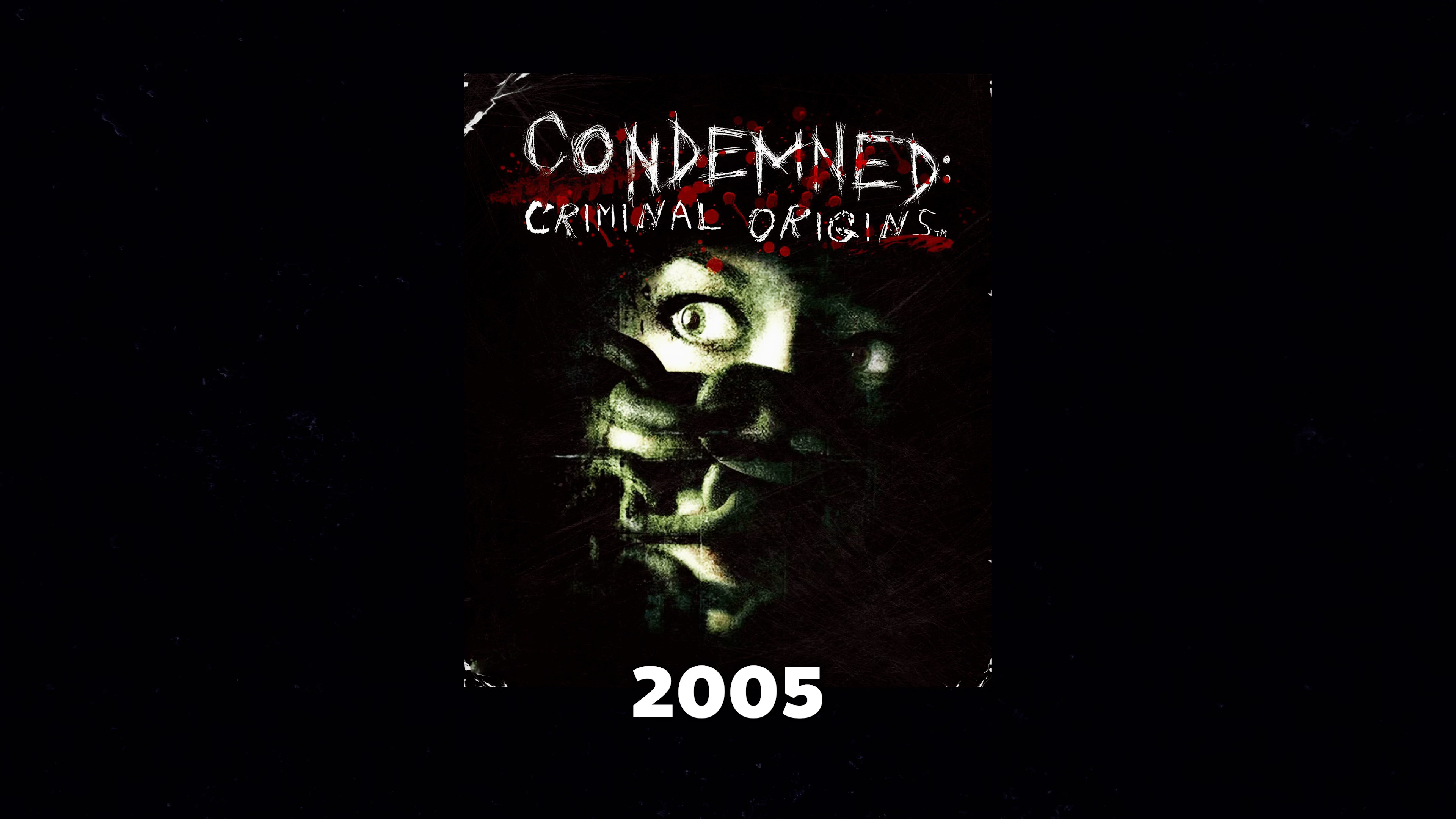
We're still in 2005 because in that same year, Monolith released another banger: Condemned: Criminal Origins.
So this is a gritty psychological thriller inspired by serial killer movies like Se7en and The Silence of the Lambs.
And it’s another first-person shooter. Right? Well… maybe not.
Because while it starts that way - with FBI agent Ethan Thomas wandering around with a pistol - you’re quickly disarmed and forced into brutal melee tussles with your enemies.
So you can brawl with your fists or create improvised weapons from the environment - like lead pipes, planks of wood, and so on. A bit like the new Indiana Jones game.
It becomes a game about messy, scrappy, sweaty brawls in disgusting, run-down tenements. The fights feel visceral and in-your-face. And the enemies are unpredictable - some storm toward you aggressively, while others flee or hide in the shadows, waiting to strike later. It’s harrowing stuff - you just kinda want to get out of there and have a shower.
It’s a shame the game didn’t make better use of its forensic tools - it’s no detective game - but the atmosphere? Man, that was unmatched.
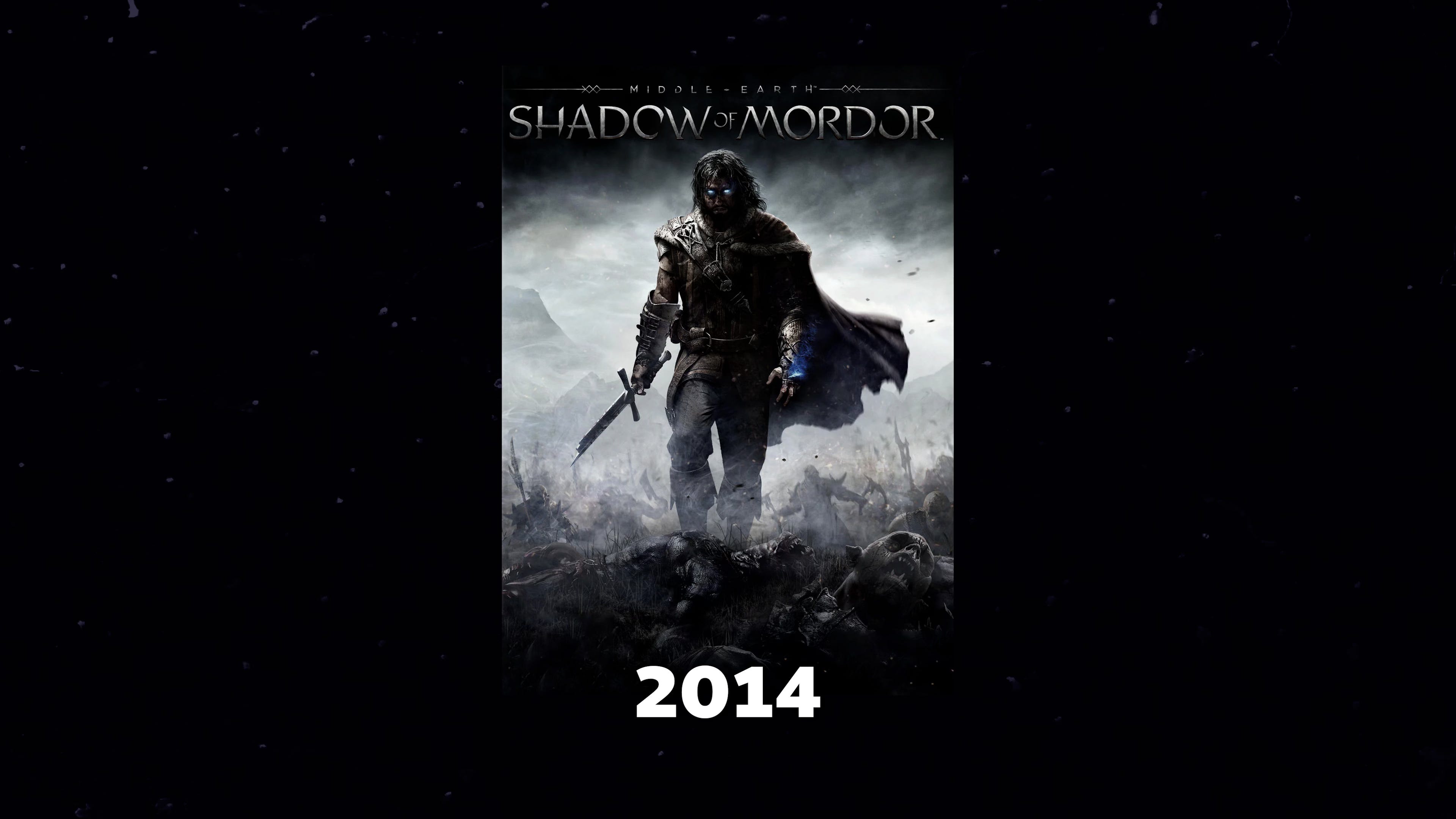
And then in 2014, we got Monolith’s most ambitious game yet: Middle-earth: Shadow of Mordor.
What could have been a totally forgettable Lord of the Rings tie-in turned out to be one of the most bold and forward-thinking games ever created - thanks to its prized Nemesis System.
So, among the cannon-fodder orcs roaming the soggy marshlands of Mordor, you’ve got a number of orc captains - each with a unique name, look, personality, and set of skills. But most importantly, they also have a memory of their run-ins with the player.
So if you run away from an orc, you might stumble upon that same ugly bugger an hour later and they’ll call you out for being a coward. Or you might kill an orc by chopping off their leg, only to find out they secretly survived that encounter and they've now got a prosthetic leg. And a score to settle.
It made for an incredibly rich and dynamic story generation system, with every player getting a unique narrative. And the sequel, Shadow of War, expanded on the idea even further, letting you create your own team of orcs, and deal with backstabbing soldiers, enemy spies, and more.
Sadly the system was locked under a patent, so no other developers have been able to use a similar system for fear of getting sued. Boo!
—
So, that's Monolith. Or, at least, Monolith to me - the studio made other games too like Shogo, a Tron game, uhm, a Matrix MMO and a Middle-Earth MOBA I guess. I didn't play any of those. But, to me, of the games I played, Monolith's games all had something in common.
Each one took some interesting inspiration - usually from movies. Whether that's James Bond or Ring or Se7en or Lord of the Rings. And then it mashed it up with some forward-thinking design or technology - like stealth, complex enemy AI, frantic melee combat, or the impressive Nemesis System.
This made for games that succeeded on both style and substance. You could enjoy these games for their story and style - or study them for their design and technology.
And look - I'm not trying to tell you that every game was some greatest-of-all-time classic. Monolith's games were often ugly and a little janky, and outside of No One Lives Forever, the environments often felt pretty same-y throughout the whole game. A whole lot of shipping containers and office blocks.
But these were those essential 8/10 games. Games that were swinging for the fences. Trying something different and new. And mostly succeeding! And I think we need that, right?
But now, it's gone. Its in-progress Wonder Woman game is dead. And Monolith is no more. Shut down so that Warner Bros. can focus exclusively on the franchises that make the most money.
But, I'll leave the industry commentary to someone else. I just want to say thanks and goodbye to an underrated and under-appreciated studio that has made some truly brilliant games.